
10 Common Causes of Roof Leaks and How To Address Them
A leak in your roof is more than a minor annoyance; it is a serious issue that can compromise your home’s structural integrity, lead to costly water damage, and create unsafe living conditions. Understanding the root causes of roof leaks is the first step toward effective prevention and repair. Proactive maintenance and timely intervention can save you significant time, money, and stress.
Here we’ll look at the most frequent reasons your roof might be leaking and outline the steps you can take to address these problems. From worn-out materials to improper installations, you will learn to identify potential vulnerabilities and understand when to call in a professional for assistance. Taking control of your roof’s health protects your investment and ensures your home remains safe and dry for years to come.
Age and Deterioration
Over time, all roofing materials break down. Constant exposure to sun, rain, wind, and snow causes shingles, tiles, and membranes to degrade. Asphalt shingles may curl, crack, or lose their protective granules. Wood shakes can split or rot, and metal roofs might rust. As these materials weaken, they lose their ability to repel water, creating pathways for moisture to seep into your home. Regular inspections help you track your roof’s condition and plan for a replacement before catastrophic failure occurs.
Damaged Flashing
Roofers install thin metal flashing strips around roof features like chimneys, vents, and skylights to create a watertight seal. If this flashing cracks, corrodes, or pulls away from the roof, it becomes a primary entry point for water. Poor initial installation or the natural expansion and contraction of materials due to temperature changes can compromise these seals. Examining flashing for signs of damage or gaps is an important part of roof maintenance.
Broken Shingles
Shingles are your roof’s first line of defense against the elements, but they are not indestructible. High winds can lift and tear them off, while hail or falling tree limbs can cause them to crack or break. A single missing or damaged shingle is enough to expose the underlayment to moisture, which can quickly lead to a leak. If you find shingle pieces in your yard after a storm, you should inspect your roof immediately for potential damage.

Clogged Gutters
Gutters play an important role in directing water away from your home’s foundation and roofline. When leaves, twigs, and other debris clog your gutters, water cannot drain properly. Instead, it backs up and pools along the edge of your roof. This standing water can easily seep under the shingles and penetrate the roof deck, causing rot and leaks. Keeping your gutters clean, especially during the fall, is a simple but effective way to prevent water damage.
Ice Dams
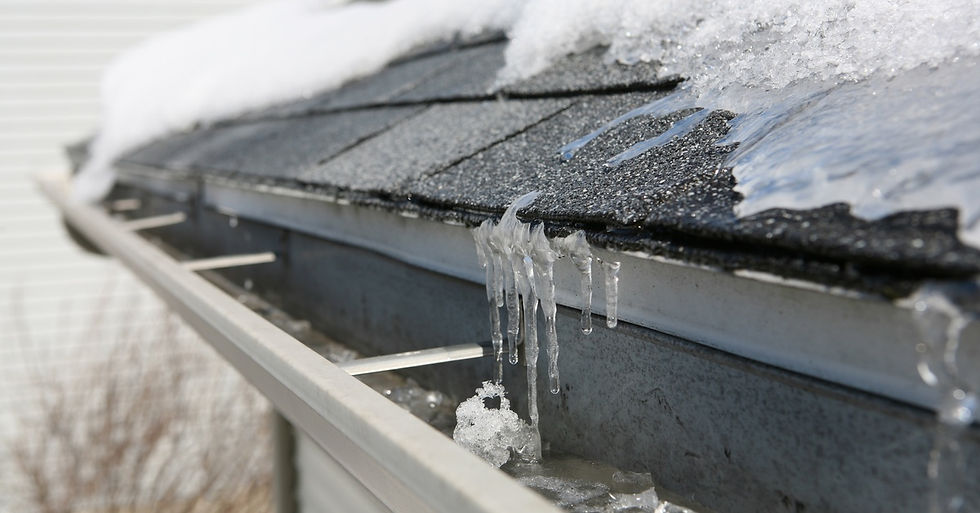
In colder climates, ice dams commonly cause roof leaks. They form when heat from your home melts snow on the roof, but the water refreezes as it reaches the colder eaves. This ridge of ice blocks proper drainage, causing water to pool behind it. The trapped water then works its way underneath the shingles and into your attic. Proper attic insulation and ventilation are key to maintaining a consistent roof temperature and preventing ice dams from forming.
Improperly Sealed Valleys
Roof valleys are the V-shaped channels where two sloping roof sections meet. These areas handle a large volume of water runoff, making them highly susceptible to leaks if not sealed correctly. Shingles in the valley can crack under stress, or the sealing material can deteriorate over time. A leak in a valley often manifests as a significant water stain on your ceiling, indicating a substantial breach that requires immediate attention.
Damaged Vent Boots
Roof vents, which allow air to circulate through your attic, are typically sealed with a rubber boot or collar. Exposure to the sun’s UV rays can cause this rubber to dry out, crack, and crumble. When the vent boot fails, it creates a direct opening for rainwater to enter your attic. These leaks are often small at first but can lead to significant damage if you do not replace the compromised boot promptly.
Improper Nailing
The way shingles are nailed to the roof deck is critical for their performance. If nails are driven in too deep, they can puncture the shingle. If they are not driven in far enough, they can work their way back up and create a small hole. Nails placed incorrectly or missing altogether leave shingles vulnerable to being lifted by wind. These seemingly minor installation errors create dozens of potential entry points for water across your roof.

Skylight and Chimney Issues
Skylights and chimneys add character and function to a home, but they also represent complex interruptions in the roof’s surface. Leaks can occur due to:
Cracked or deteriorating flashing around the base
Worn-out seals on the skylight glass
Cracks in the chimney’s masonry structure
A damaged chimney crown that allows water to enter the flue
Because these features involve multiple materials and connection points, identifying the exact source of a leak can be challenging. For persistent leaks around these structures, you may need to consult with professional roofers or even masonry contractors in Ann Arbor to address all the potential issues.
Condensation in the Attic
Sometimes, what appears to be a roof leak is actually condensation. Poor attic ventilation traps warm, moist air rising from the living spaces below. When this humid air comes into contact with the cold underside of the roof deck, it condenses into water droplets. Over time, this moisture can lead to mold, mildew, and rot, mimicking the signs of a traditional roof leak. Improving attic ventilation with soffit, ridge, or gable vents helps regulate temperature and humidity, preventing condensation problems.
Your Next Steps
Identifying the cause of a roof leak is the first step toward a solution. For small issues like a single broken shingle or a clogged gutter, you may be able to perform the repair yourself. However, the most common roofing problems and leaks, especially those involving flashing, valleys, or widespread material failure, require professional expertise. A qualified roofing contractor can accurately diagnose the issue, recommend the most effective course of action, and perform the repairs safely. Do not delay; addressing roof leaks promptly protects your home and provides peace of mind.


Comments