
How To Prepare Your Masonry for a Michigan Winter

Michigan winters are notoriously harsh, bringing a cycle of freezing and thawing that can inflict significant damage on your property's masonry. Brick, stone, and concrete structures are porous, meaning they absorb water. When that trapped moisture freezes, it expands, creating internal pressure that leads to cracks, spalling, and deterioration. Over time, this process can compromise the structural integrity of your home, chimney, and walkways.
For homeowners, proactively preparing masonry is not just about maintaining curb appeal; it is an important step in preventing costly repairs down the line. Protecting your investment requires understanding the specific threats posed by our state's climate and taking targeted action to mitigate them. Proper maintenance helps ensure your masonry remains strong and resilient, safeguarding your home's value and integrity through the toughest weather conditions.
Below, we outline the necessary steps to fortify your masonry against the challenges of a Michigan winter. By following these expert recommendations, you can effectively shield your property from moisture intrusion and freeze-thaw damage, ensuring its durability for years to come.
Inspect Your Masonry for Existing Damage
A thorough visual inspection is the first critical step in winter preparation. Examine all brick, stone, and concrete surfaces for signs of wear and tear. Look closely for cracks, no matter how small, as these are primary entry points for water. Also, check for spalling, areas where the surface of the brick or stone has flaked or peeled away. Pay special attention to mortar joints, identifying any sections that are crumbling, receding, or missing entirely. These seemingly minor issues can quickly escalate into major structural problems when exposed to freezing temperatures.
Clean All Masonry Surfaces Before Treatment
Before applying any protective treatments, you must thoroughly clean your masonry. Dirt, grime, algae, and efflorescence (a white, powdery salt deposit) can prevent sealants from adhering properly, rendering them ineffective. Use a pressure washer on a low setting or a stiff brush with a specialized masonry cleaner to remove surface contaminants. A clean surface ensures maximum penetration and bonding of waterproofing products, providing a more effective barrier against moisture.

Repair Cracks and Repoint Mortar Joints
Addressing existing damage is crucial before the first freeze. Fill any cracks in bricks or concrete with a high-quality, flexible sealant designed for masonry. For deteriorating mortar, you must perform a process called repointing. This involves carefully removing the old, damaged mortar and replacing it with new mortar. Properly repointed joints restore the structural integrity of the wall and create a seamless defense against water infiltration. This task is often meticulous and may require professional assistance for a correct and lasting bond.
Check and Repair Your Chimney Crown
Your chimney is one of the most vulnerable parts of your home during winter. Inspect the chimney crown, the concrete slab at the top, for cracks or deterioration. A damaged crown allows water to seep into the chimney structure, where it can freeze and cause extensive harm. If you find any damage, repair it promptly with a crown sealant or have it professionally rebuilt. This is also a good time to consider if a full chimney restoration is needed to address deeper structural issues.
Ensure Proper Drainage Away From Masonry
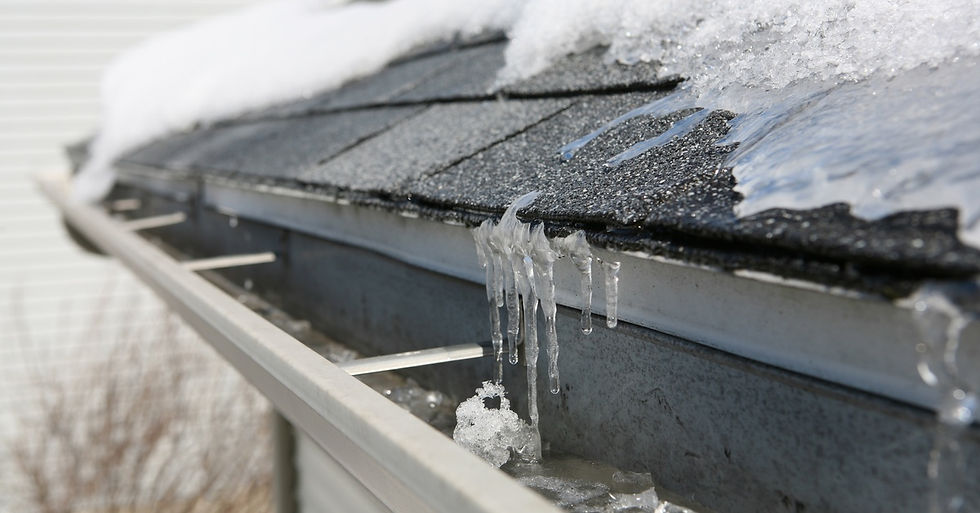
Poor drainage can lead to saturated soil around your foundation, which constantly exposes your masonry to moisture. Make sure your gutters and downspouts are clean and function correctly, directing water at least six feet away from your home's foundation. The ground around your foundation should slope away from the house to prevent water from pooling against the walls. Proper water management is a fundamental aspect of protecting your masonry from long-term moisture damage.
Apply a Water-Repellent Sealant
After cleaning and repairing your masonry, apply a high-quality, breathable, water-repellent sealant. These products penetrate the surface of the brick or stone, creating a hydrophobic barrier that prevents water absorption while still allowing any trapped water vapor to escape. This is an important feature, as non-breathable sealants can trap moisture inside the masonry, leading to more severe damage during freeze-thaw cycles. Apply the sealant according to the manufacturer's instructions for the best results.
Protect Masonry From De-Icing Salts
While de-icing salts are effective for melting ice on walkways and driveways, they can be highly corrosive to concrete and other masonry. These chemicals accelerate the freeze-thaw cycle and can cause surface pitting and spalling. When possible, use alternative de-icing agents like sand or cat litter for traction. If you must use salt, choose a product specifically formulated to be less damaging to concrete, such as calcium magnesium acetate.
Cover Vulnerable Masonry Structures
For smaller, particularly vulnerable structures like outdoor kitchen elements or stone landscape features, consider covering them with a waterproof tarp for the winter. This provides an additional layer of protection against direct exposure to snow, ice, and rain. Ensure the cover is secured tightly to prevent wind from dislodging it, but allow for some air circulation to avoid trapping moisture underneath.

Prune Nearby Trees and Shrubs
Overhanging tree branches and dense shrubs growing against your home can contribute to masonry damage. They trap moisture against the walls, prevent proper drying, and can physically abrade the surface during high winds. Before winter sets in, prune any branches that are touching or hanging over your roof and masonry. This simple landscaping task improves airflow and allows sunlight to reach the walls, helping them stay dry.
Schedule a Professional Masonry Inspection
While diligent self-inspection is valuable, a professional mason can identify subtle issues that an untrained eye might miss. Scheduling an annual inspection with a qualified expert provides peace of mind and an opportunity to catch potential problems early. A professional can offer tailored advice and perform necessary repairs with the correct materials and techniques, ensuring your home is fully prepared for winter.
Fortify Your Home for Winter
Preparing your masonry for a Michigan winter is a proactive measure that preserves your property's structural integrity and aesthetic appeal. By following these steps, from thorough inspection and cleaning to detailed repairs and protective sealing, you can effectively mitigate the risks of freeze-thaw damage. A well-maintained masonry exterior not only withstands the harshest weather but also secures your home's value for the future. Taking these actions now will prevent costly repairs and ensure your home remains a safe, durable structure for many winters to come.


Comments