
Top Benefits of Installing a Chimney Cap

Your chimney is a critical component of your home's roofing and ventilation system, yet it is often one of the most overlooked. As an open gateway between your home's interior and the outside elements, an unprotected chimney flue can lead to numerous problems, from water damage to animal infestations. A chimney cap is a simple, effective solution that provides a powerful defense against these issues. Installing one is a proactive measure that safeguards your home, improves safety, and can save you significant money on future repairs.
A chimney cap is a protective cover installed at the very top of your chimney flue. It functions much like a roof for your chimney, shielding the opening from rain, snow, animals, and debris. While its design is straightforward, the benefits it offers are comprehensive. From preventing destructive moisture from seeping into your home's structure to stopping sparks from igniting nearby combustibles, a chimney cap is an investment for any homeowner with a fireplace or furnace that vents through a chimney. This information will explore the key advantages of installing a chimney cap and explain why this small addition provides immense value and peace of mind.
Prevents Water Damage
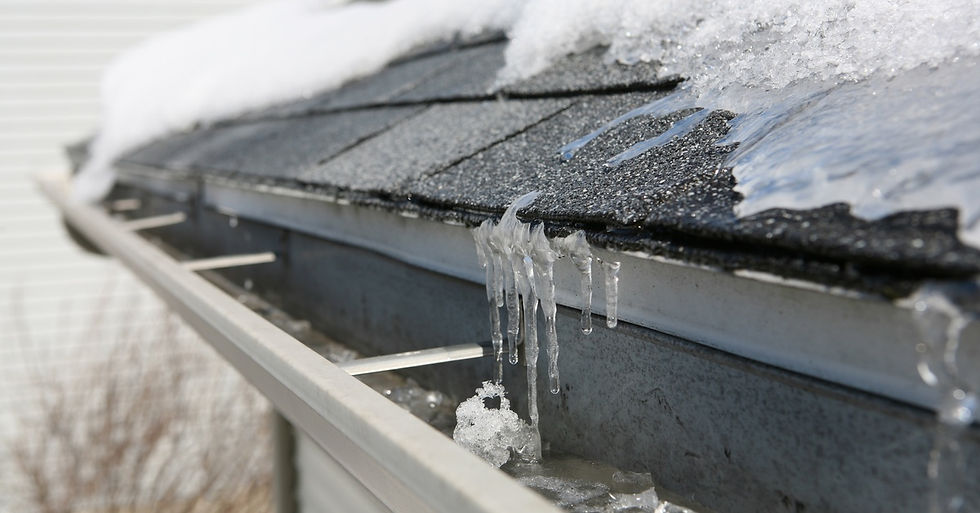
One of the biggest benefits a chimney cap provides is protection against water intrusion. Rain, snow, and ice can freely enter an uncapped chimney flue, causing extensive damage over time. This moisture saturates the chimney masonry, leading to a process of deterioration known as spalling, where the bricks and mortar crack and break apart.
Water can also damage the metal firebox, flue liner, and damper assembly, leading to rust and corrosion that compromise their function and safety. Water that seeps into your home can damage ceilings, walls, and wooden support structures, resulting in costly repairs and potential mold growth. A chimney cap acts as a roof, directing precipitation away from the flue opening and keeping the entire chimney system dry and protected.
Keeps Animals and Pests Out
An open chimney flue is an inviting shelter for a variety of animals and pests. Raccoons, squirrels, birds, and even snakes often seek refuge inside chimneys to nest or escape predators. These unwelcome guests can create several problems. Birds, like chimney swifts, can build large nests that completely block the flue, creating a dangerous fire hazard and preventing proper ventilation of smoke and carbon monoxide.
Animals can become trapped and die inside the chimney, leading to foul odors and insect infestations. They can also carry diseases and parasites into your home. A chimney cap with mesh siding effectively seals the entry point, preventing any creatures from making your chimney their home while still allowing smoke and gases to escape.

Blocks Debris
Leaves, twigs, and other debris carried by the wind can easily fall into an unprotected chimney flue. This accumulation of material can create a dangerous blockage, obstructing the flow of smoke and gases out of your home. A clogged flue can cause smoke to back up into your living space and, more worrisome, lead to a buildup of carbon monoxide.
This debris is also highly flammable and can ignite when you use your fireplace, potentially causing a chimney fire. A sturdy chimney cap prevents this debris from entering the flue, ensuring your chimney remains clear and operates safely and efficiently.
Stops Downdrafts
Strong winds can create downdrafts in your chimney, pushing cold air and smoke back into your home. This can make your living space uncomfortable, fill it with unpleasant odors, and pose health risks by introducing soot and smoke into the air you breathe.
Certain chimney cap designs, particularly those with a wind-directional or turbine-style construction, are specifically engineered to mitigate downdrafts. They work by deflecting wind away from the flue opening or using the wind's own force to improve the chimney's updraft. This results in a more efficient and pleasant fireplace experience, free from unexpected puffs of smoke or gusts of cold air.
Can Improve Energy Efficiency
An uncapped chimney can be a significant source of energy loss in your home. When your fireplace is not in use, the open flue allows conditioned air—whether warm air in the winter or cool air in the summer—to escape. This forces your heating and cooling systems to work harder to maintain a consistent indoor temperature, leading to higher energy bills.
While a closed damper helps reduce this air exchange, it does not create an airtight seal. Installing a chimney cap adds another layer of protection, further minimizing the amount of air that escapes and helping to improve your home's overall energy efficiency.
Increases Home Safety
Safety is a paramount concern for any homeowner, and a chimney cap plays an important role in protecting your property and family. By preventing flue blockages from animals and debris, a cap helps make sure that harmful gases like carbon monoxide vent outside. This significantly reduces the risk of accidental poisoning. A well-maintained chimney system is a safe one, and a cap is a foundational component of that system.

Extends Chimney Lifespan
By shielding your chimney from its primary adversaries, specifically water, animals, and debris, a chimney cap significantly extends the lifespan of the entire structure. Constant exposure to moisture is the leading cause of deterioration for masonry chimneys. By keeping the interior dry, a cap helps preserve the bricks, mortar, flue liner, and damper.
Preventing blockages and ensuring proper airflow also reduces the stress on the system. This proactive protection minimizes the need for frequent and expensive repairs, such as repointing, liner replacement, or a complete chimney rebuild, saving you money over the long term.
Cost-Effective Investment
Considering the potential cost of repairs from water damage, animal removal, or a chimney fire, a chimney cap is an incredibly cost-effective investment. The price of a quality cap and professional installation is minor compared to the thousands of dollars you might spend on remediating major structural issues.
It is a one-time expense that provides continuous, year-round protection for your home. This simple installation offers peace of mind, knowing that your chimney is secure and your home is protected from a wide range of preventable problems.
Secure Your Home Today
Installing a chimney cap is one of the most practical and impactful decisions you can make to protect your home. It addresses multiple potential hazards simultaneously, from preventing costly water damage and dangerous flue blockages to enhancing safety and improving energy efficiency.
This single, affordable upgrade safeguards the structural integrity of your chimney and provides a reliable defense against the elements and wildlife. If your chimney is currently unprotected, consider this installation a priority. It is a straightforward investment that delivers lasting value and security for your home.


Comments